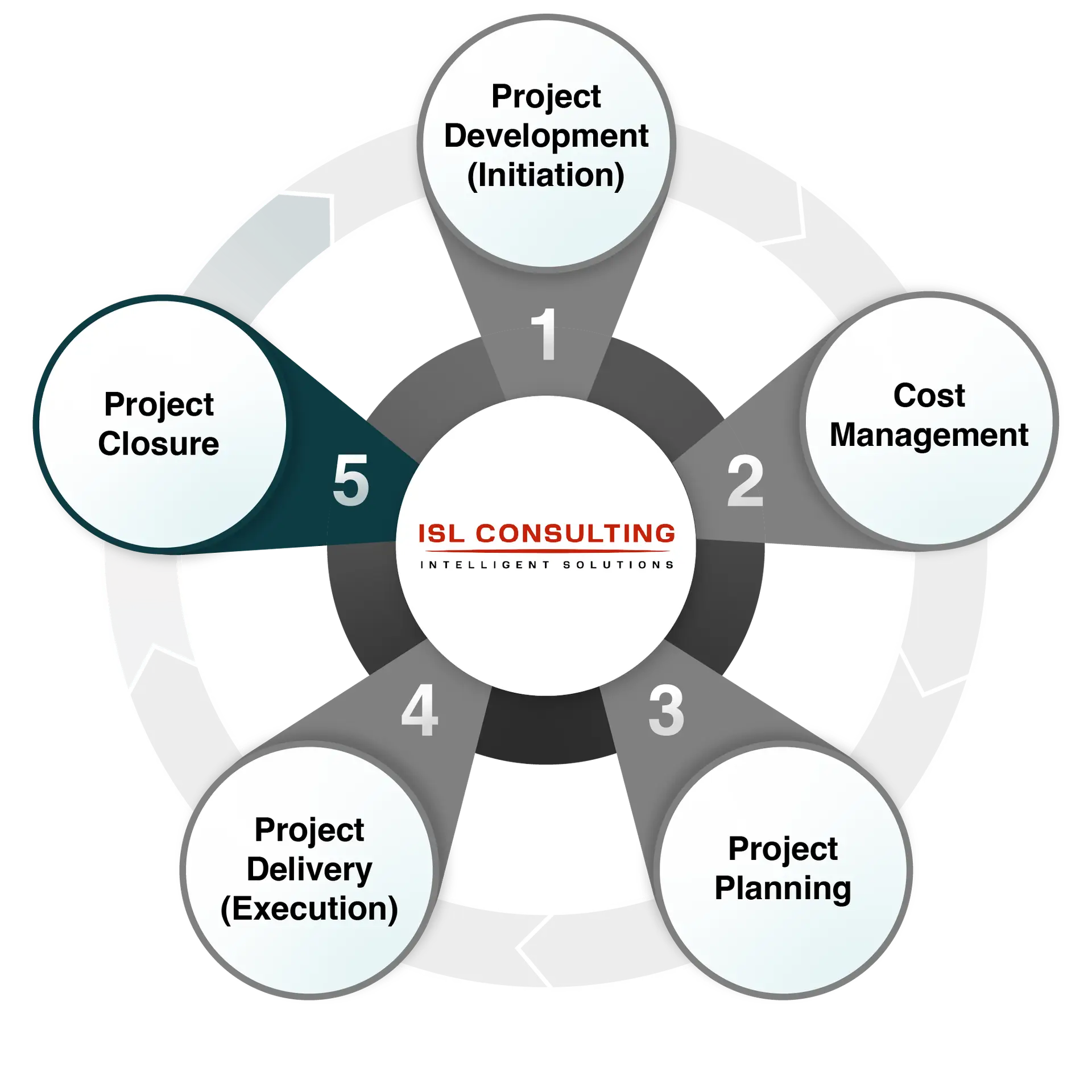
Process & Selectable Services
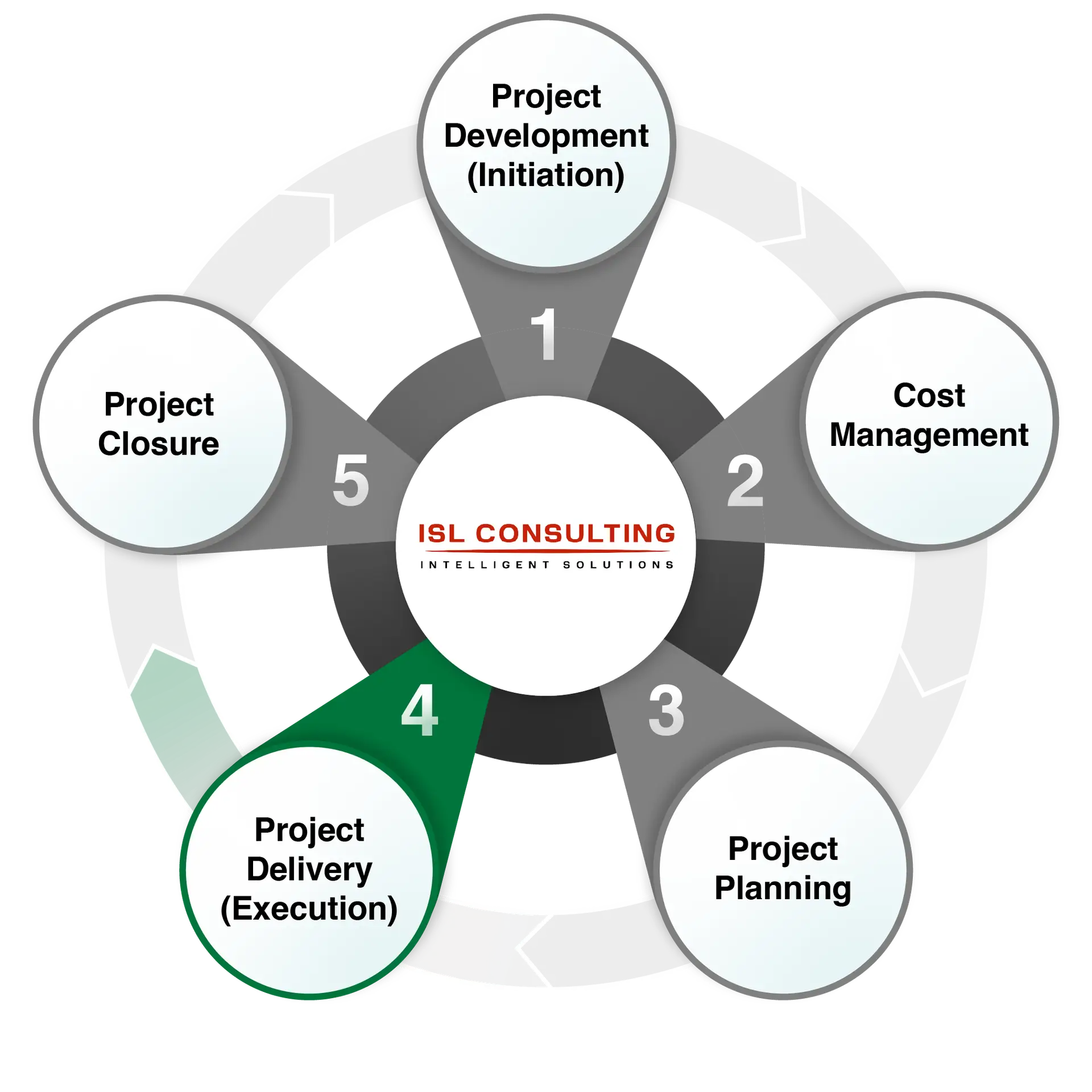
From strategy through to delivery, our services span the full project lifecycle.
Choose the support you need, at any stage of your project.
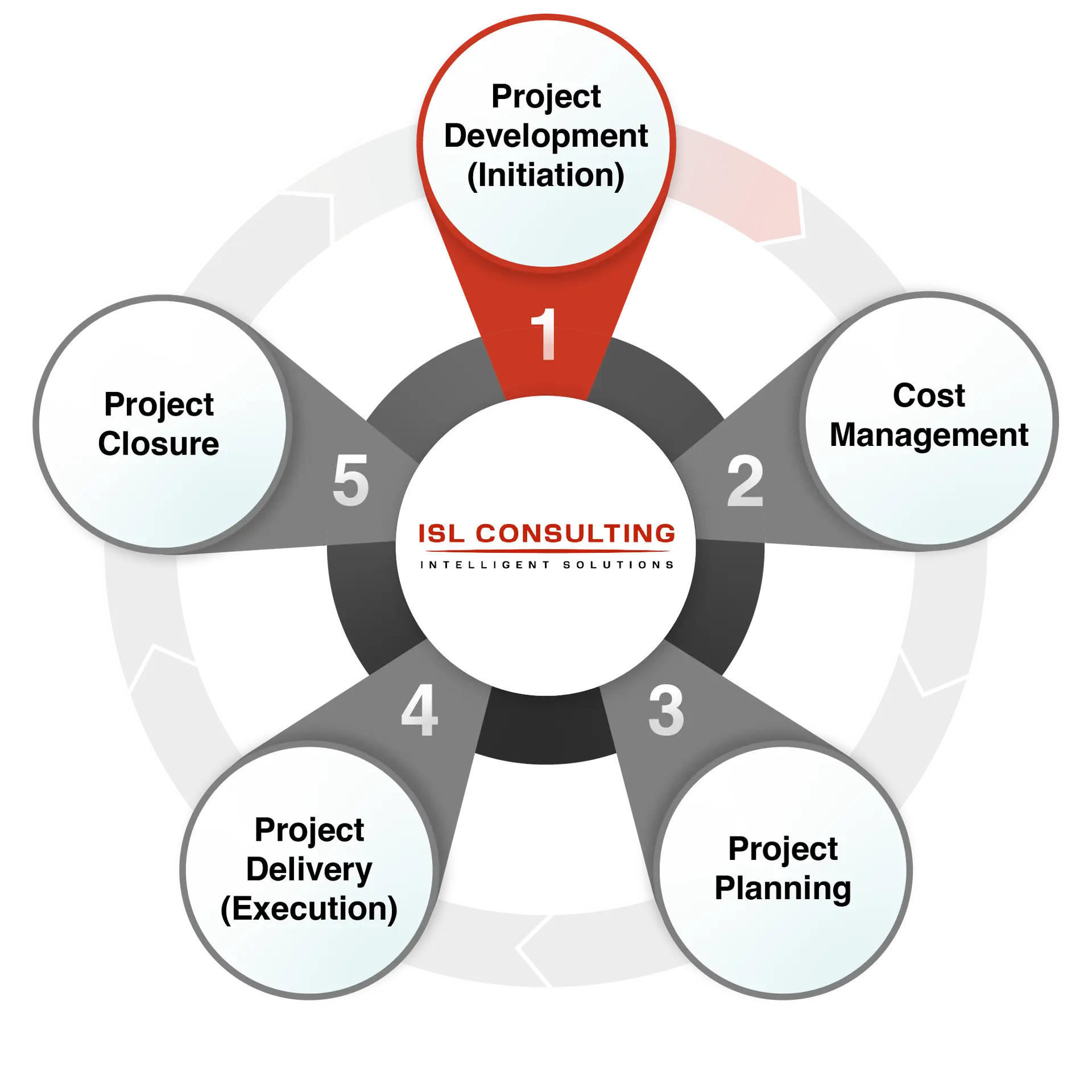
STEP
1
Project Development (Initiation)
1. Needs Assessment & Objectives Definition
Clarifying the problem, opportunity, or need the project addresses.
2. Strategic Alignment
Ensuring the project aligns with organisational goals or broader strategies.
3. Stakeholder Identification & Engagement (Early Phase)
Recognising key stakeholders and initiating early communication.
4. Feasibility Assessment
Preliminary evaluation of technical, financial, and operational feasibility.
5. Site or Asset Review
Assessing the condition, suitability, or constraints of the existing site or asset (if applicable).
6. Options Analysis
Comparing potential approaches or solutions to achieve the desired outcomes.
7. Business Case Development
Preparing a justification for investment, including high-level costs, benefits, and value proposition.
8. Risk Identification (Initial)
Highlighting early-stage risks and key uncertainties.
9. Funding Strategy & Budget Envelope
Establishing high-level budget parameters and exploring funding options.
10. Governance & Decision Pathway
Outlining how decisions will be made, approved, and documented in this phase.
Use code with caution.Let me know if you would also like to wrap the descriptions in a specific tag or apply any font styling to them!
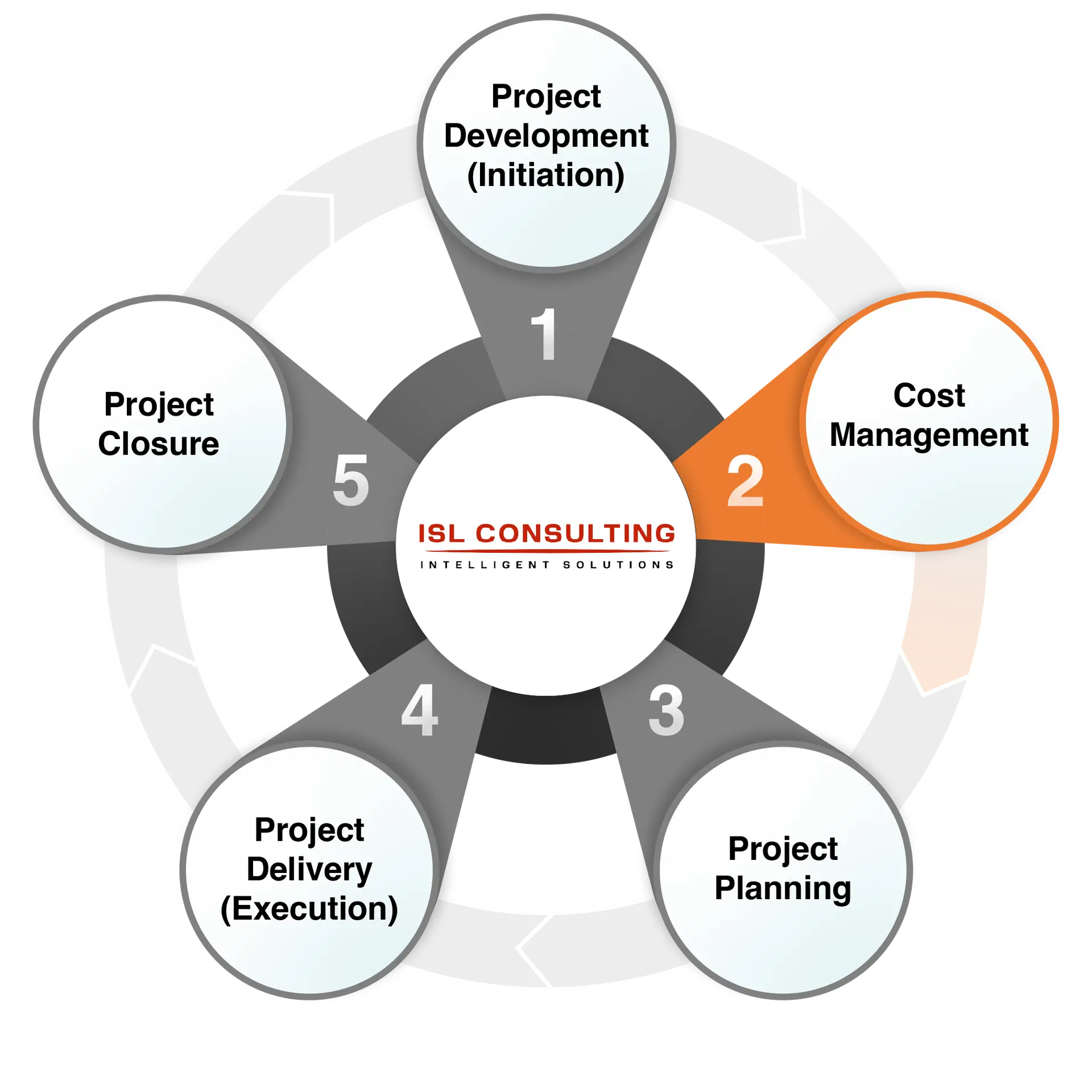
STEP
2
Cost Management
1. Cost Estimating
Development of detailed cost estimates based on scope and design inputs.
2. Budget Development
Establishing a formal project budget, including contingencies and allowances.
3. Cost Planning / Elemental Cost Breakdown
Structuring costs by work packages, systems, or components for control and monitoring.
4. Funding Allocation & Cash Flow Forecasting
Aligning funding sources with project stages and forecasting expenditure over time.
5. Value Management
Reviewing design and cost options to maximise value without compromising objectives.
6. Change Control Process
Procedures for managing scope or cost changes during the project lifecycle.
7. Cost Reporting & Tracking
Regular reporting on committed, incurred, and forecasted costs.
8. Procurement Cost Evaluation
Assessment of tendered costs, contract pricing, and financial risk during procurement.
9. Contract Management
Contract negotiations, Monitoring payment claims, variations, retentions, and final accounts.
10. Post-Completion Financial Review
Reviewing final project costs against budget and capturing lessons learned.
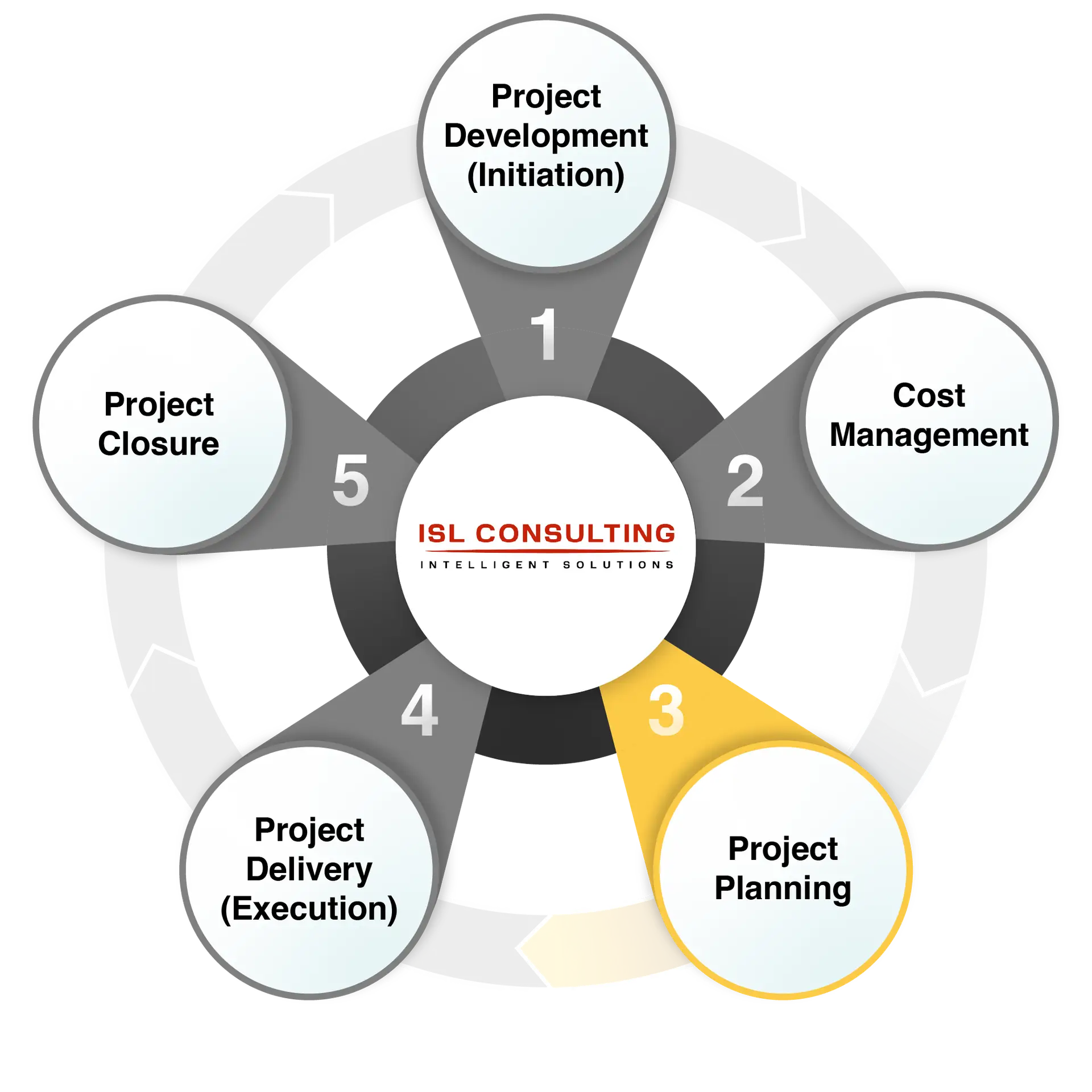
STEP
3
Project Planning
1. Project Scope Definition
Detailed definition of deliverables, boundaries, and inclusions/exclusions.
2. Programme Development / Timeline
Creation of a detailed project schedule, including milestones and critical path.
3. Resource Planning
Identifying required personnel, consultants, equipment, and other resources.
4. Procurement Planning
Developing procurement methods, timelines, and contractor engagement strategies.
5. Communication Plan
Establishing how project information will be shared among stakeholders.
6. Risk Management Plan
Formal identification of risks with mitigation strategies and contingency planning.
7. Quality Management Plan
Defining quality standards, control procedures, and responsibilities.
8. Health, Safety & Environmental Planning
Outlining safety requirements and compliance with environmental standards.
9. Approvals & Compliance Strategy
Planning for consent, regulatory, or internal approvals required before execution.
10. Stakeholder Engagement Plan
Refining and expanding engagement activities through the planning phase.
STEP
4
Project Delivery (Execution)
1. Mobilisation
Setting up project teams, site establishment, and initiating contracts.
2. Construction / Implementation Management
Oversight of physical works or service delivery, including coordination of contractors and suppliers.
3. Programme Monitoring & Control
Tracking progress against the project timeline, identifying slippage and adjusting as needed.
4. Quality Assurance & Control
Ensuring all work meets defined specifications, standards, and quality benchmarks.
5. Health, Safety & Environmental Compliance
Monitoring adherence to HSE plans, incident reporting, and regulatory compliance.
6. Stakeholder Communication & Engagement
Ongoing updates and engagement with stakeholders, communities, or governing bodies.
7. Risk & Issue Management
Active monitoring and mitigation of emerging risks or unforeseen issues during delivery.
8. Cost Control & Payment Management
Tracking actual vs forecast costs, managing claims, variations, and contractor payments.
9. Change Management
Managing changes to scope, design, or programme — and assessing impacts.
10. Reporting & Governance
Regular reporting to the client, governance groups, or funders on progress, risks, and performance metrics.
11. Inspections, Testing & Commissioning
Verifying that systems and components are installed and operating correctly.
12. Compliance & Regulatory Approvals
Ensuring all inspections, sign-offs, and certifications are secured before practical completion.
STEP
5
Project Closure
1. Practical Completion & Handover
Formal confirmation that the project is complete and ready for use, including handover of keys, manuals, and warranties.
2. Defects Liability Management
Initiation of the defects liability period, including tracking, rectification, and sign-off of any outstanding issues.
3. Final Inspections & Compliance Sign-Offs
Completion of final inspections and securing all regulatory, compliance, and client approvals.
4. As-Built Documentation
Submission of updated plans, specifications, manuals, and other required project records.
5. Training & Operational Readiness
Training of end users, facilities staff, or operators to ensure smooth transition into use.
6. Final Cost Reporting & Financial Close-Out
Reconciliation of final accounts, contractor payments, retentions, and budget reporting.
7. Contract Close-Out
Formal close-out of all project contracts, including resolution of claims and release of bonds or guarantees.
8. Stakeholder Communication & Closure Updates
Final communication with stakeholders, reporting outcomes and key achievements.
9. Post-Occupancy Review / Performance Evaluation
Reviewing whether project objectives were met, including operational performance (e.g. energy, functionality, user satisfaction).
10. Lessons Learned & Project Review
Documenting successes, challenges, and recommendations to inform future projects.